Art News
What That 15 Percent Agent Commission Actually Covers
The standard split is public knowledge. What happens to the money, and who keeps a claim on it after a writer leaves, is the part worth reading closely.
Financial reporting on the book business: advance ranges by category, earn-out rates, royalty and subsidiary rights splits, distribution and returns, print unit costs and retail discounting. Sources are named where contracts allow. For authors negotiating terms and anyone assessing publishing as an industry.
The standard split is public knowledge. What happens to the money, and who keeps a claim on it after a writer leaves, is the part worth reading closely.
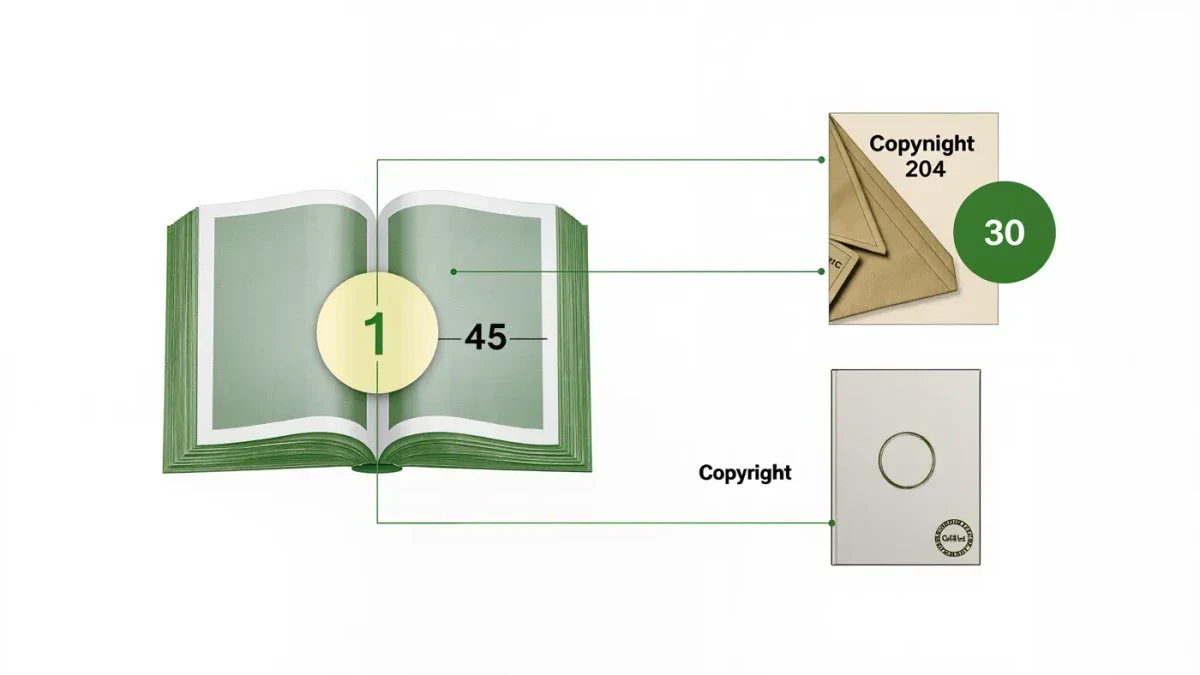
The number line with a 1, the price on the jacket, the blind stamp on the back board — the beginner's toolkit for the book collector's game, minus its expensive mistakes.
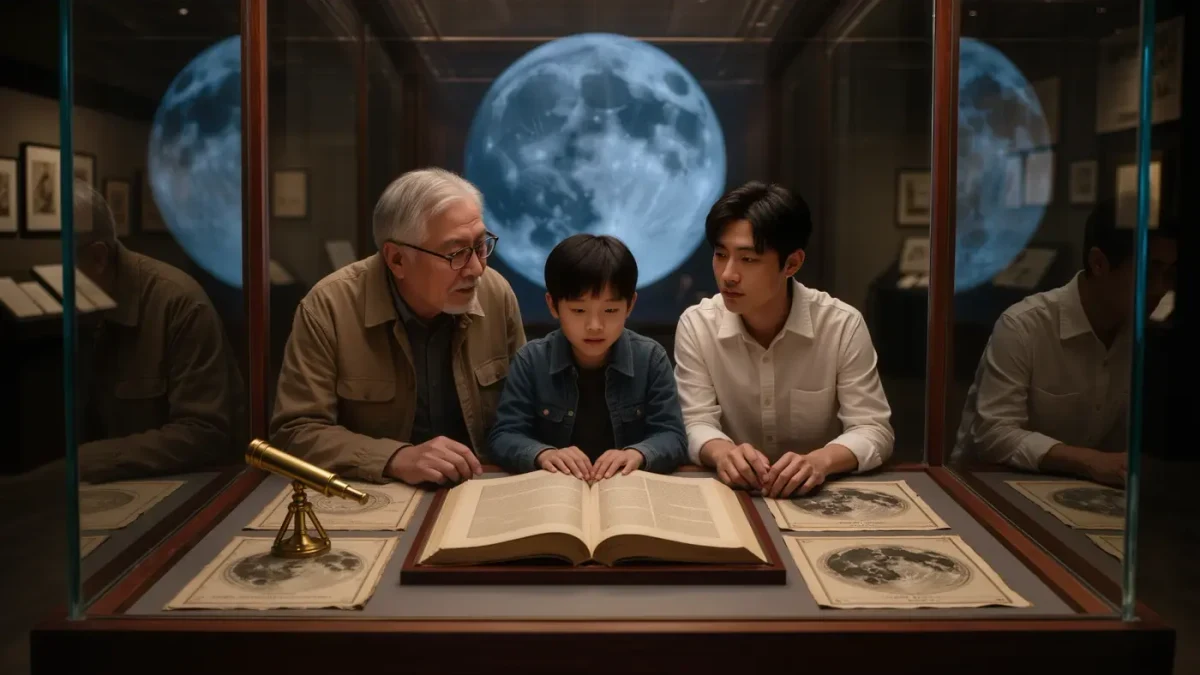
Stories from the Library: The Mirror of the Moon opened June 27 — centuries of artists and scientists working at the same object, from the institution's paper vaults.
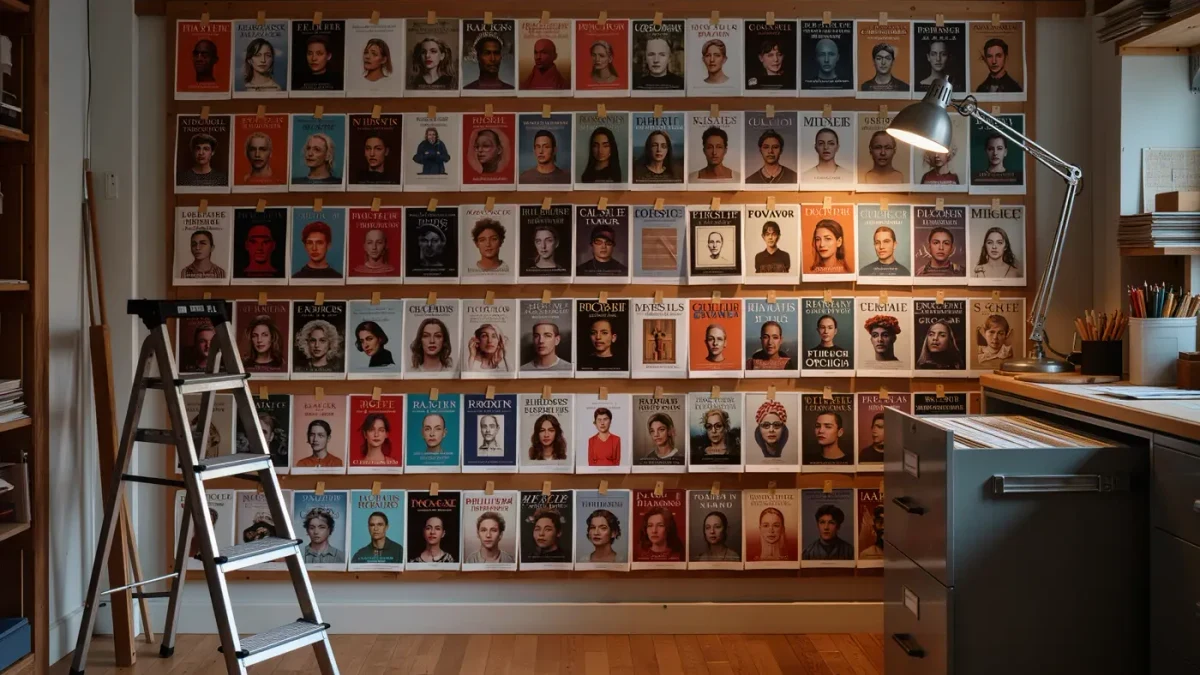
Jan Tschichold drew penguins in the 1940s and Chip Kidd made the Jurassic Park silhouette — the cover is publishing's most public art form, judged in seconds.
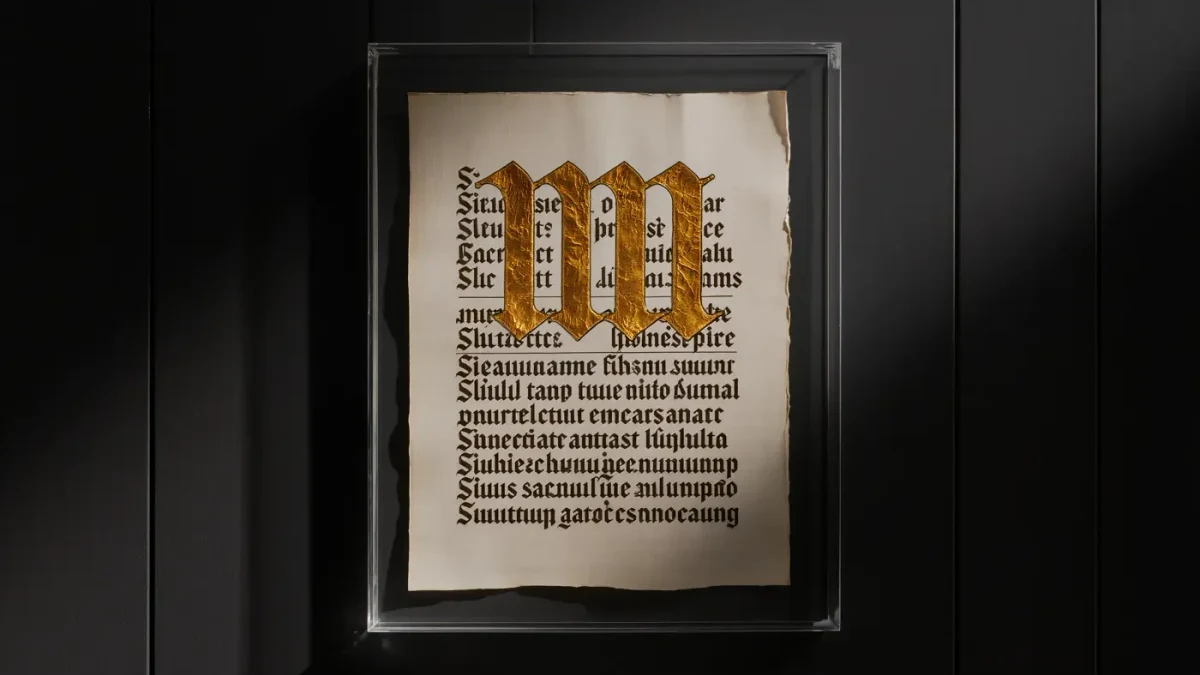
Two weeks of manuscript sales in New York, June 11–25, led by a Fine Books evening with a $25 million-plus estimate — the paper market's summer showcase.
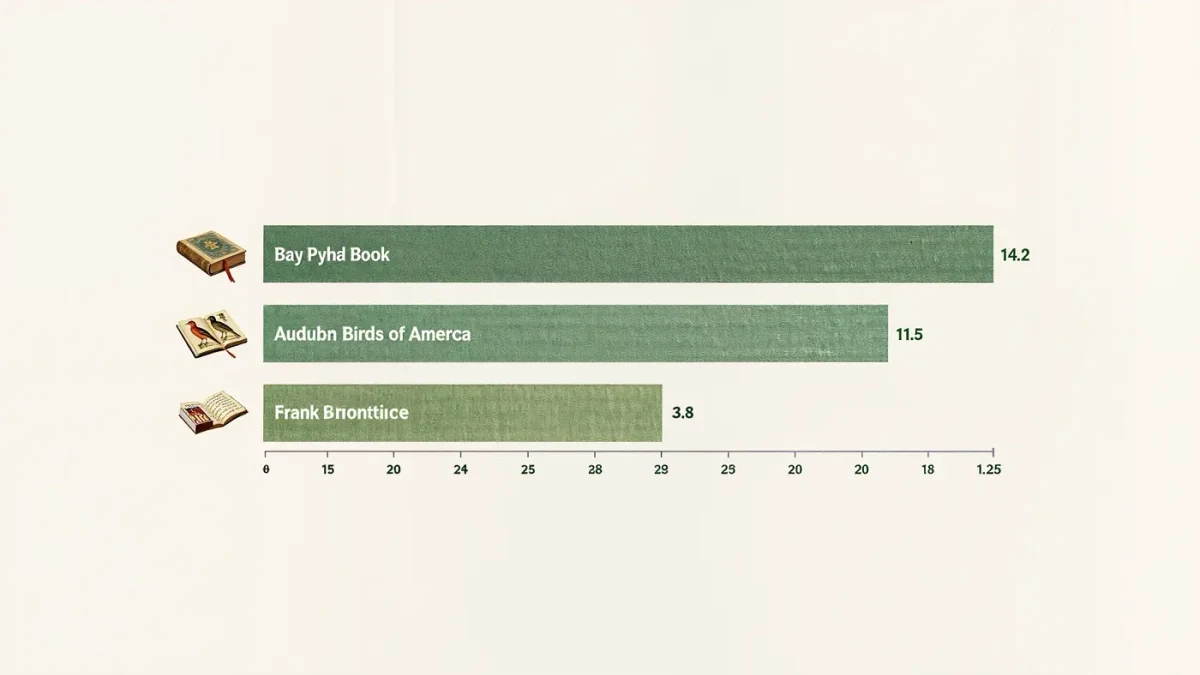
A psalm book at $14.2 million, Audubon at $11.5, a Brontë booklet the size of a matchbox at $1.25: the paper market's logic, explained from the numbers.
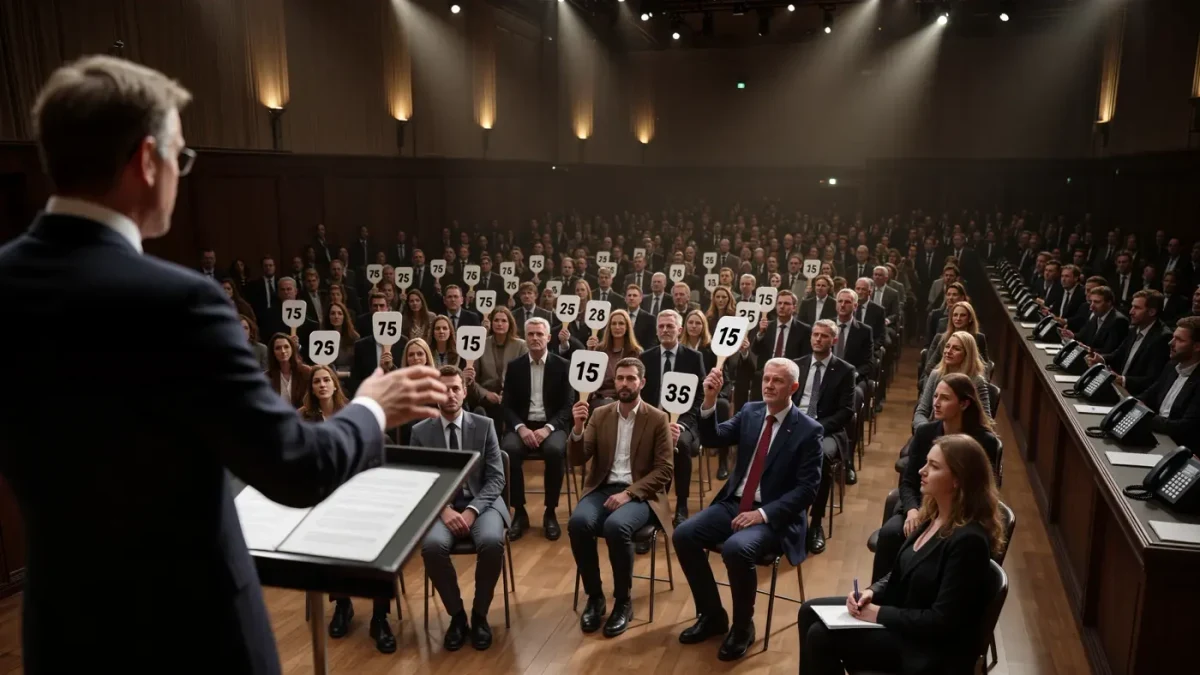
The tenth Art Basel–UBS report puts global sales up 4 percent at $59.6 billion, with auctions up 9 — the cultural economy's biggest dataset, read from the writer's side.
Twenty-five-thousand-dollar fellowships, panels of working writers, and an application that runs through Grants.gov — the public money pipeline for American letters, explained.
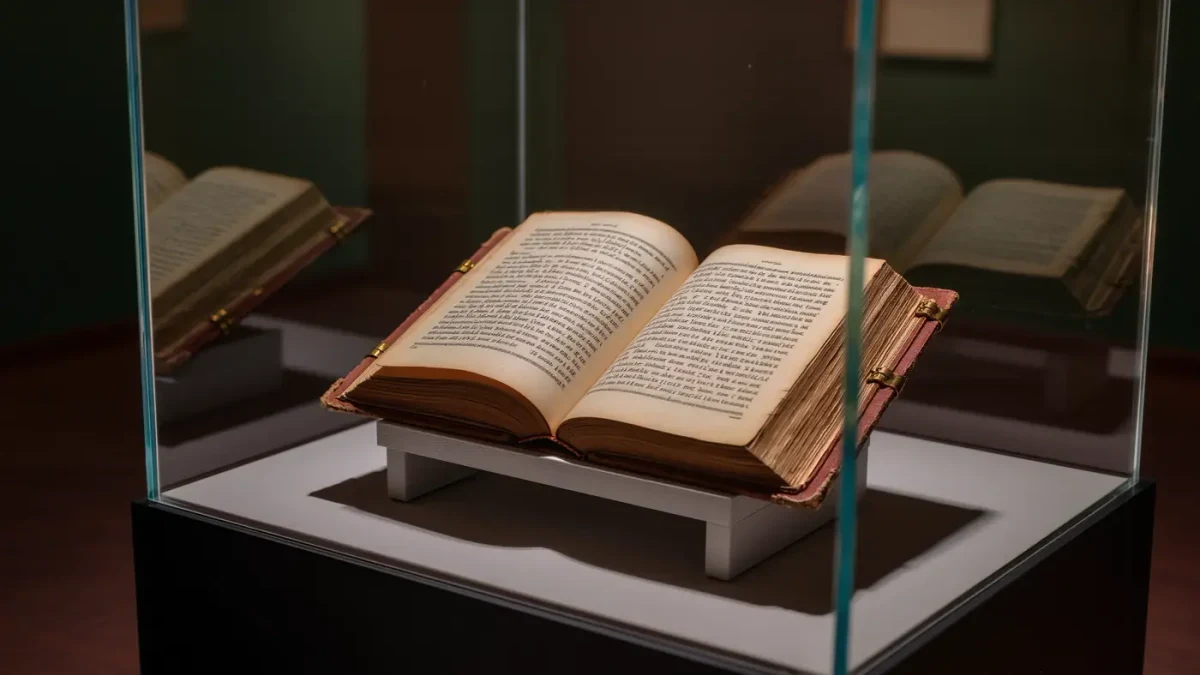
Haworth's new exhibition reads the sisters' juvenilia against empire — while Texas puts Austen's England on mannequins.
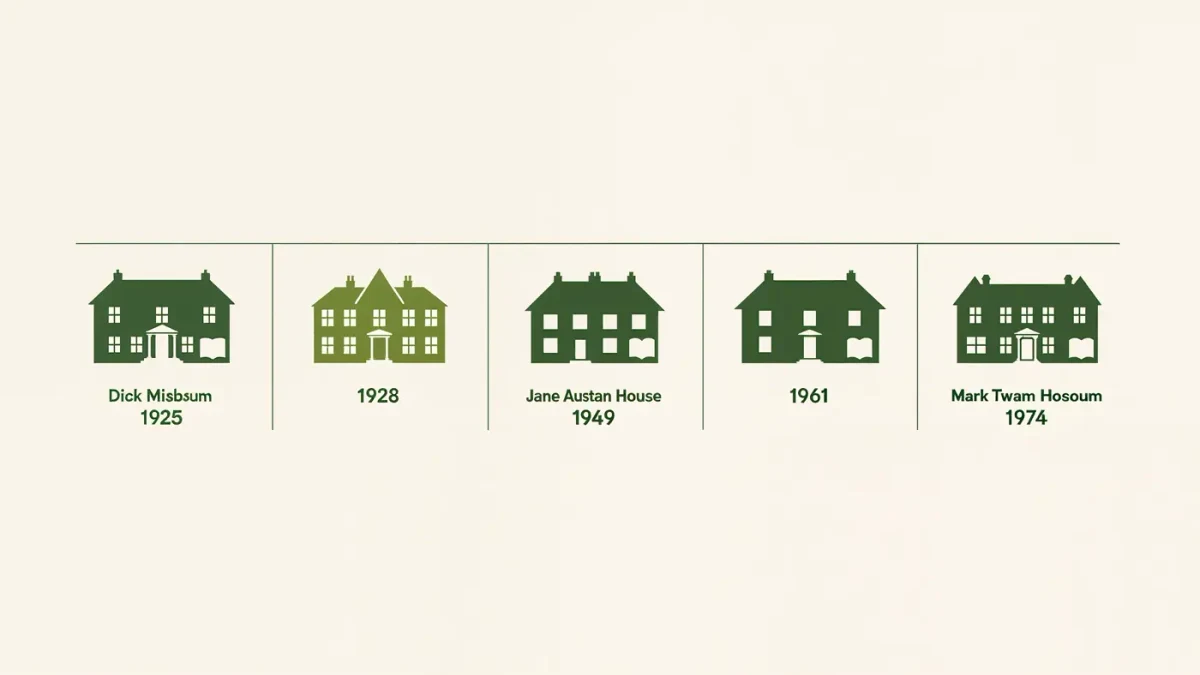
The Dickens Museum opened in 1925 and the Brontë Parsonage followed in 1928 — a century later, the writer's house is its own museum genre, with its own economics.