Topic
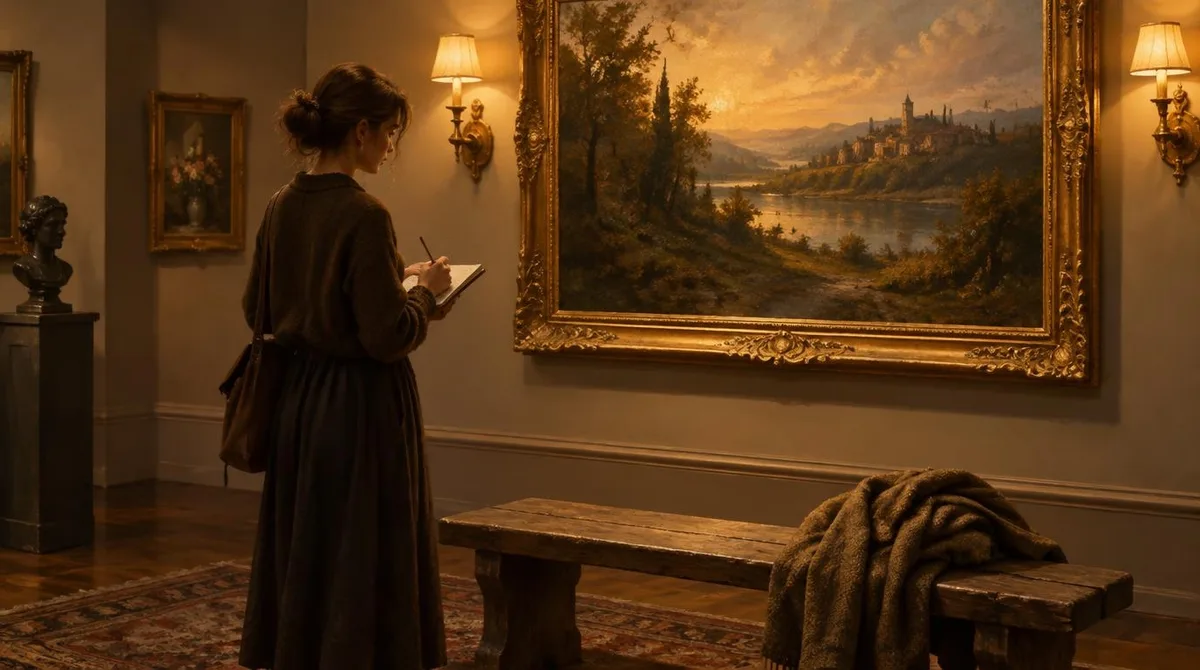
How to Read Art Like a Critic: A Beginner's Method
Looking at art is a skill, not a gift. Five steps turn a confusing gallery visit into a real conversation with the work.
Looking at art is a skill, not a gift. Five steps turn a confusing gallery visit into a real conversation with the work.

From the distributor's warehouse to the front table, the path a new release travels before a browser picks it up.
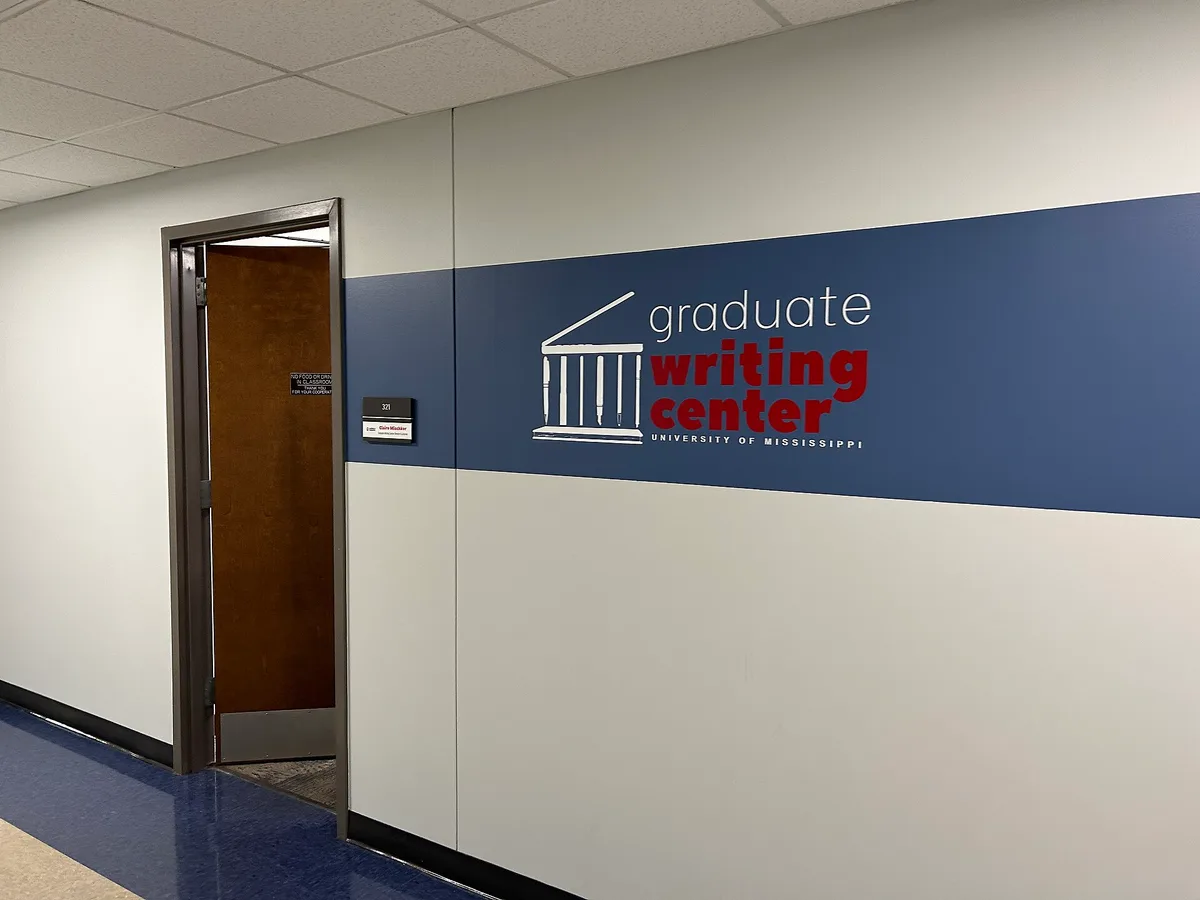
A campus writing center pairs a writer with a trained peer tutor for a free conversation about a draft, and the tutor never proofreads or grades the work.
Five beats — anchor, spark, pressure, choice, proof — map a character's change onto Freytag's 1863 structure so readers can feel the transformation.

A book clears five gates in traditional publishing: agenting, acquisition, revision, production, and launch, each a separate decision with its own timetable and its own veto.
A fan historian's snapshot of a franchise at a crossroads doubles as a field guide to writing in someone else's universe.
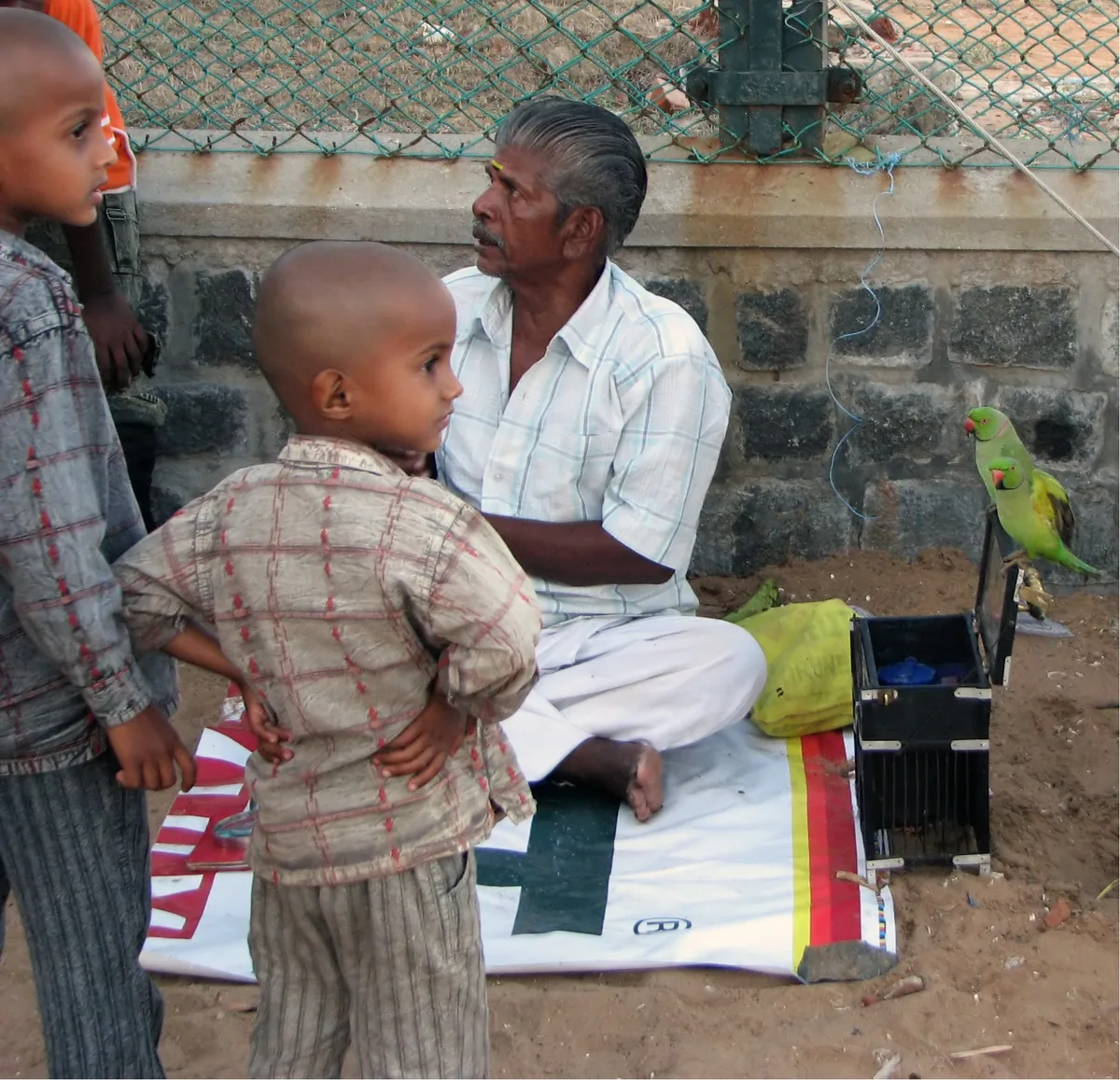
A beta reader round can fix plot, pacing, and consistency, or it can derail your book. Here is how to pick readers, ask sharp questions, and triage notes.
A Carmel executive coach publishes a self-help book with a soundtrack attached. The idea is interesting; the evidence behind it deserves a closer look.

How a sequence of pictures earns the front of a book, and what the process asks of the people who make it.
Readalikes matched by twist density, breakneck pacing, and narrators you cannot quite trust.